


Aquatic Invasive Weed Removal on Lakes & Shorelines in Minnesota & Wisconsin
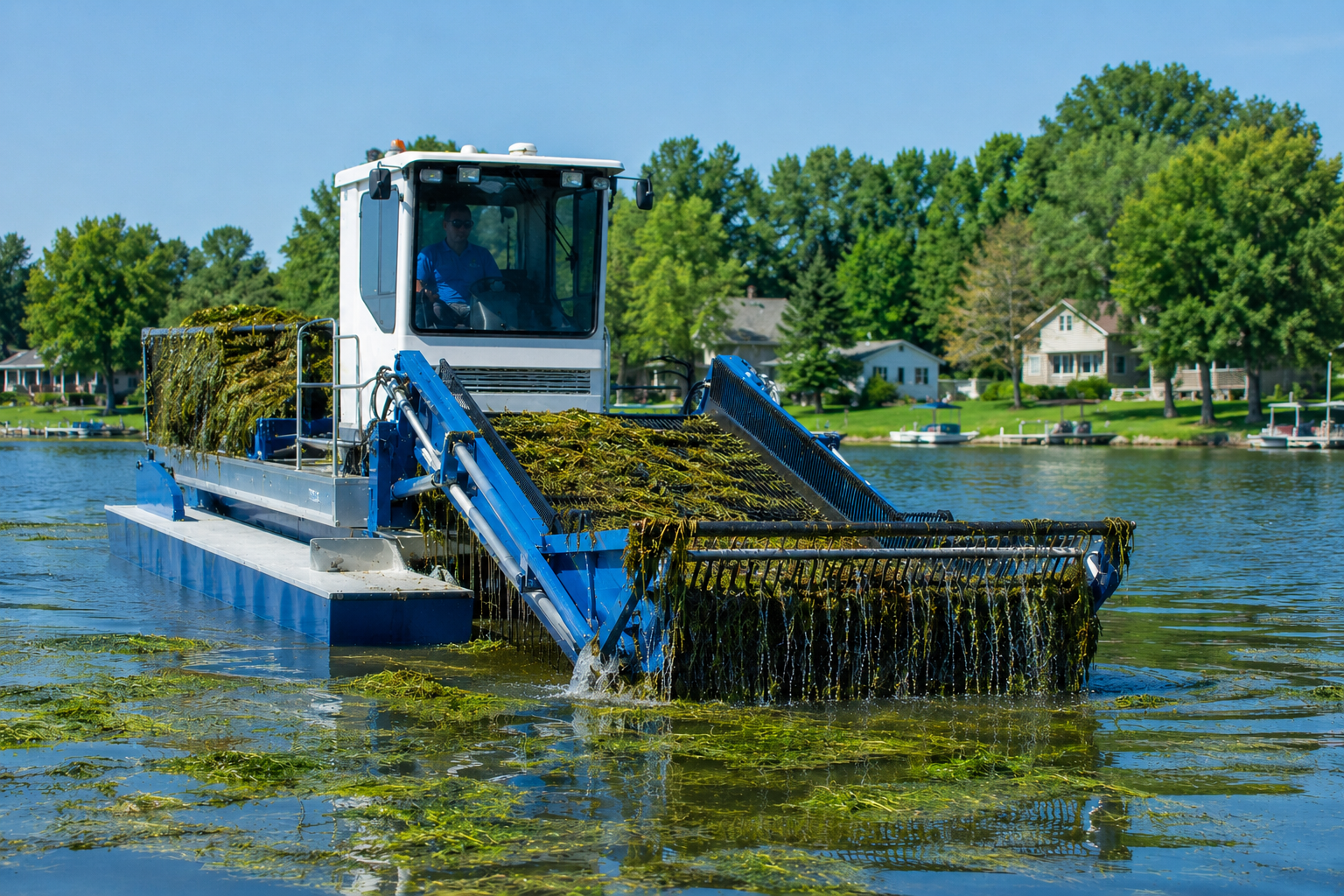
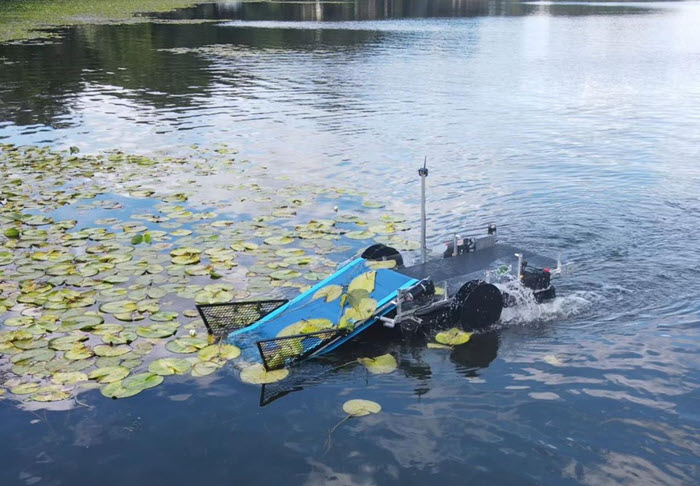
Some lily pads on the water can be tranquil and attractive, but what you’ve got is something else. Aquatic weeds and other unwanted plants make your part of the lake ugly, unpleasant, unusable, or all 3. They can make the owner of the most beautiful shoreline property feel like a nutty old hermit.
Your specific lake-weed-related problems might include:
- A boat ramp or dock you can’t use freely.
- A swimming area nobody wants to swim in.
- Water nobody wants to boat in.
- Cloudy, murky water.
- One too many bad days of fishing.
- Finding dead fish or other wildlife caught in the morass.
- More insects than you used to have buzzing around.
- An imbalanced, unnatural ecosystem, one with fewer of the fauna and flora you like and expected to see.
- That swampy smell.
- A shoreline covered in cattails and similar plants that you can tolerate within reason. This excess foliage attracts unwanted critters, too.
- Seemingly endless growth. Maybe you’re fine with some weeds. But they just keep coming. You don’t want your shoreline to inspire the next Stephen King novel.
In Minnesota and Wisconsin, the big-three species of invasive lake weeds are Eurasian watermilfoil, curly-leaf pondweed, and starry stonewort.
Whatever weeds have invaded your lakefront, you may not have the time, tools, or temerity to dive in and scoop up the aquatic weeds, so they take over. They take a pause in the winter, but they seem to creep back earlier and earlier each spring, and by summer it’s a hopeless game of whac-a-mole. Unlike with their equally pesky counterparts on land, you don’t even have the option of mulching over them or carpet-bombing them with weed killers. So what can you do?
Contact Lakeshore Guys®. We don’t enjoy waterborne weeds any more than you do, but we know how to remove them, and we know how to create a lakefront space you’ll love. Non-native invasive species of aquatic weeds are probably your main problem, but native species can take over your water and your shoreline, too. It’s most likely that you have multiple species sticking in your craw: some free-floating, some submerged, and some attached to the land. Like Paul Revere, whether bad news is coming by land or by water, we’ll get it done.

We tend to use a combination of short-term and long-term solutions to remove the invasive lake weeds. The short-term fix is to skim every weed on the surface, dive down and pull up every weed that’s under the water, and then pull up every weed on the shoreline that’s hanging into the water. It’s possible that’s all you need, but it’s also possible that the weeds just come back later.
In general, anything that (1) impedes the free flow of water, (2) sticks into the water, or (3) allows seeds to germinate can cause or worsen an outgrowth of aquatic weeds. So long-term solutions to invasive aquatic weeds might include building a boat ramp or lower-profile dock, removing debris (fallen trees, logs, etc.), and installing the finest riprap shoreline built by human hands, a sand beach, or an all-natural shoreline with strong and flourishing native plants. We’ll get any permits (from the DNR) along the way.
Once we’re done, we’ll dispose of the aquatic weeds in an eco-friendly and DNR-approved way, and we can improve your shoreline in any other way you’d like us to.
We can help you whether you live in Minnesota or Wisconsin.
Just give the word and we’ll go swimming with the fishes.
FAQs on Lake Weed Removal
What kinds of invasive lake and shoreline weeds can you remove?
We can remove any type of aquatic weed or similar invasive species found in Minnesota or Wisconsin. Those range from lily pads to cattails to species with fancy-sounding Latin names.
Do you remove the aquatic invasive weeds in environmentally friendly way?
Yes. Our methods are DNR-approved. We don’t add chemicals to the water, and we generally don’t suggest applying chemicals to plants on land.
What does your invasive weed removal service include, exactly?
We identify the species that affect your property (the water and the shoreline), pull up the weeds, skim them away, haul them off, and dispose of them responsibly. Along the way we’ll also discuss any longer-term weed-control regimen, or other changes you might consider to keep the invasive species away.